
The first conversation after an ACL injury in Melbourne usually happens in the emergency department or a doctor’s surgery. It often takes place within 24 hours of the injury, before an MRI has confirmed the full extent of the damage. The patient is in pain, the knee is badly swollen, and the information provided during those first consultations can strongly influence how they view their treatment options. ACL reconstruction Melbourne is technically an elective surgery. The ligament does not heal on its own. Some people, particularly older adults who are less active or unwilling to modify their activities, can function well without reconstruction. Active people in Melbourne who play sports such as AFL, soccer, or basketball place much greater demands on their knees. These sports involve frequent cutting, pivoting, and sudden changes of direction. For these patients, non-operative management is often less successful over the long term than reconstruction surgery. This is the balanced discussion that is not always communicated clearly during the first consultation.
Graft Choice Shapes the Recovery
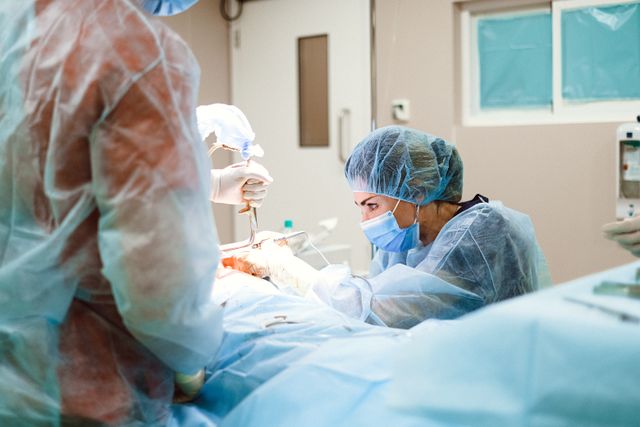
ACL reconstruction replaces the torn ligament with a graft rather than repairing the original tissue. Hamstring autografts use the patient’s own hamstring tendon from the injured leg. This is the most commonly used graft in Australia because it has an excellent long-term track record and generally causes less donor-site discomfort than some alternatives. Patellar tendon autografts use the central portion of the patellar tendon along with small pieces of bone from each end. They provide excellent short-term stiffness and strong rotational stability. The trade-off is greater donor-site pain during recovery. For this reason, some sports surgeons continue to favour this option for elite athletes. Allografts avoid donor-site problems altogether because the tissue comes from a donor. Published research has shown a higher risk of graft failure in younger and more active patients. As a result, they are generally not the preferred option for that group.
Melbourne’s ACL Recovery Ecosystem
Melbourne has a well-developed network supporting ACL rehabilitation. Sports medicine surgeons with subspecialty expertise in ACL reconstruction are concentrated throughout the inner and middle suburbs, particularly within private clinic groups. Physiotherapy clinics offering ACL-specific return-to-sport programs are also widely available. Many focus on strength testing, hop testing, neuromuscular rehabilitation, and progressive return-to-sport planning. These services are particularly common in areas such as Richmond, St Kilda, and Melbourne’s northern suburbs.
Nine Months Is a Guideline, Not a Guarantee
The commonly quoted nine-month return-to-sport timeline exists because the graft usually reaches an important stage of biological healing around that point. Time alone does not mean someone is ready to return to competition. Research consistently shows that athletes who return based only on the calendar face a significantly higher risk of another ACL injury. Successful return depends on demonstrating adequate strength, agility, movement quality, and psychological readiness. Functional assessments such as hop testing, quadriceps strength measurements, and sport-specific performance testing are all important before returning to competition.
The Psychological Dimension That’s Never in the Pre-Op Brief
Fear of re-injury, reduced confidence during cutting movements, and anxiety about returning to competition are extremely common after ACL reconstruction. These challenges are rarely discussed before surgery, even though they can significantly affect recovery. Studies consistently show that some athletes regain their physical strength but still struggle to return to their previous level because of psychological barriers. Melbourne has many sports psychology services that help athletes manage return-to-sport anxiety after ACL injuries. Unfortunately, many patients never use them because they are not told beforehand that psychological recovery is an important part of the rehabilitation process.