
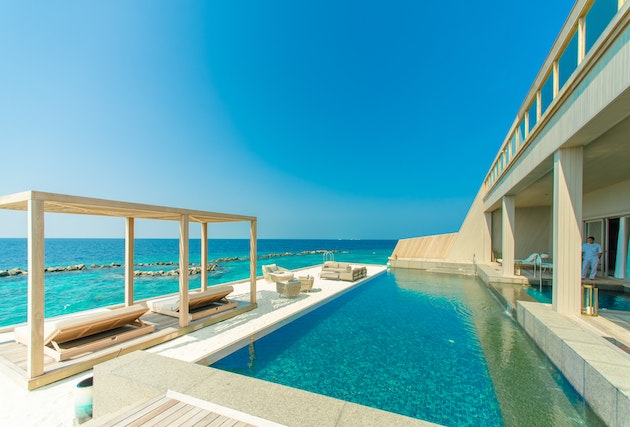
Swimming pools serve families across Australia by offering enjoyment, rest time, and exercise opportunities. Still pools pose a risk which in turn brings out fears for children and swimmers who do not have experience. Safe design of pools is to prevent accidents which we put safety before looks or ease. This design goal creates settings in which the risk of harm is minimized and safety is a standard practice. Through the use of proper design and care, homeowners protect pools as leisure spaces. Safe design practices for pool construction and routine maintenance.
Australia enforces pool safety through regulations that reduce drowning risk and accident rates. A central standard is AS1926 1 2012, setting barrier requirements for swimming pools. This standard calls for fences and gates that prevent child access when unsupervised, a main cause of tragedy. Compliance with the law in the issue of public duty to prevent pool accidents. Beyond regulation limits, design features add safety layers and support owner confidence.
Secure Pool Barriers and Gates
Barriers and gates form the first defence in safe pool design, offering reassurance to pool owners. Fencing around the pool area acts as a deterrent, preventing children and pets from entering the water alone. Pool gates should use self-closing and self-latching designs, positioned beyond child reach. Fence height and spacing support safety, stopping climbing actions and blocking child access points.
Non-Slip Surface and Safe Pool Edges
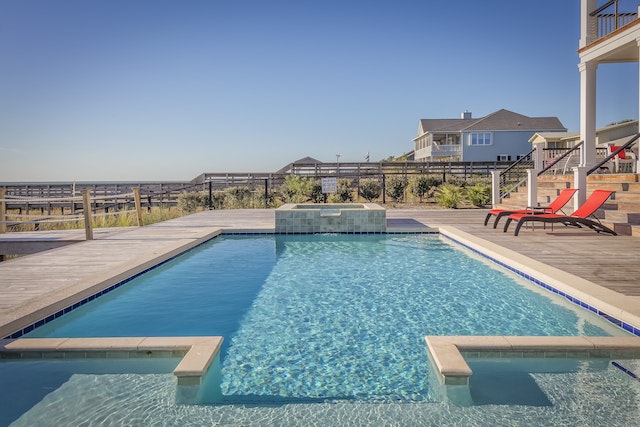
Another really crucial part of pool safety is how the surfaces around the pool are designed. The problem is that wet areas are just naturally pretty slippery, which can cause falls and injuries to happen. But by incorporating non-slip materials into the pool deck, steps and edges, you can really cut down on this risk. Textured concrete, treated tiles, or special coatings can all provide some decent traction even when everything is wet. And it’s also a good idea to make the pool edges slightly rounded and not as sharp as they could be. That way if someone slips or knocks against them, it reduces the chance of them getting cuts or bruises.
Clear Water Visibility and Proper Lighting
Visibility is definitely a key part of pool safety. Water that is cloudy or not being properly maintained can make it really hard to see any hazards and then if someone is swimming in difficulty, you can’t be sure if they are okay. Keeping on top of regular maintenance like filtering and chemical treatment is key so the water stays clear and safe to swim in. But it’s not just about water clarity; the lighting is also pretty important. You need to make sure that the pool is well-lit enough to see the pool floor, steps and edges in the evening, and also to help supervisors keep an eye on things.
Depth Markings and Gradually Sloping Pools
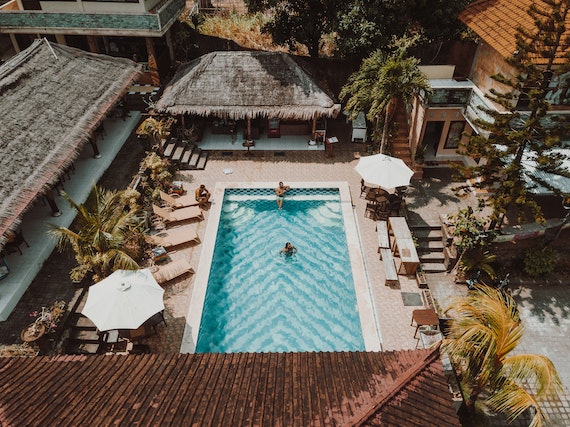
One way to stop accidents is to design the pool so that depth markings are clear and the slopes are made gradually. Depth indicators need to be visible both inside and outside of the pool so that people can see how deep the water is before getting in. Shallow zones are especially important for kids and beginners; it’s a safe space for them to learn and play without the risk of going into deep water suddenly. And having gradual slopes between shallow and deep areas helps prevent panic or confusion.
Emergency Equipment and Safety Plans
Even with all the best design features in the world accidents still can and do happen, which is why having a plan for emergencies is so vital to pool safety. That means having equipment like life rings, reaching poles and first aid kits easily to hand. These can be a real lifesaver if something goes wrong. It also means having a clear set of safety rules in place and making sure everyone at the pool is aware of them. Supervising kids at all times, not letting them run near the water, no diving in shallow areas, all of these are pretty simple, but help keep everyone safe. Safety planning also includes learning CPR and basic rescue techniques so that you can actually act in an emergency rather than just standing there.