
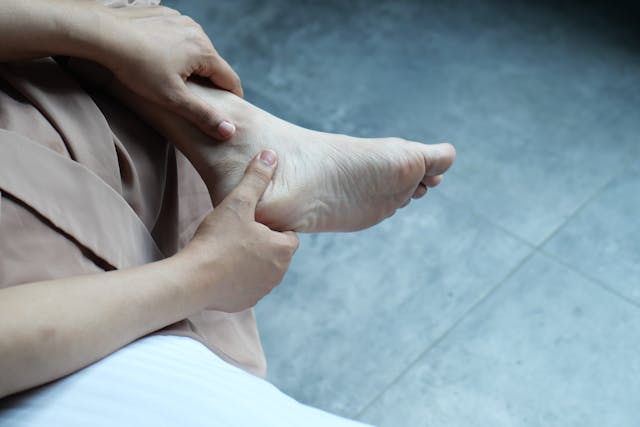
Foot pain is one of the most common musculoskeletal complaints experienced by adults, yet research consistently shows that women report significantly higher rates of foot discomfort than men. From everyday aches to chronic conditions such as bunions, plantar fasciitis, and metatarsalgia, women often face a greater burden when it comes to foot health.
There are several reasons behind this disparity, ranging from anatomical differences to lifestyle factors and footwear choices. Understanding why women are more prone to foot pain can help individuals make smarter choices about footwear, activity levels, and preventative care. For many women experiencing recurring discomfort, supportive footwear such as orthopedic shoes for women can play a significant role in reducing strain and improving long-term foot health.
Below, we explore the key factors that contribute to higher rates of foot pain among women.
Differences in Foot Structure and Anatomy
One of the most important reasons women experience more foot pain is simple biology. On average, women’s feet differ structurally from men’s in several key ways.
Women tend to have:
- Narrower heels relative to the forefoot
- Higher arches in some cases
- Greater flexibility in ligaments and joints
- Smaller overall bone structure
These anatomical differences can make women’s feet more vulnerable to instability and pressure points. For example, a narrower heel can lead to heel slippage in poorly fitted shoes, while increased ligament flexibility may contribute to conditions such as flat feet or arch strain over time.
Hormonal factors can also play a role. Fluctuations in hormones—particularly during pregnancy or menopause—can affect ligament elasticity, sometimes leading to changes in foot shape and increased susceptibility to pain.
The Impact of Footwear Choices
Footwear is perhaps the most widely recognised factor contributing to women’s foot pain. While fashion-forward shoes can look stylish, they are often not designed with long-term foot health in mind.
Common issues include:
- High heels that shift body weight onto the forefoot
- Narrow toe boxes that compress the toes
- Thin soles that provide little shock absorption
- Lack of arch support
High heels, in particular, dramatically alter the biomechanics of walking. They push the body’s centre of gravity forward, increasing pressure on the ball of the foot and forcing the toes into unnatural positions.
Over time, wearing unsupportive or restrictive shoes can contribute to a range of problems, including:
- Bunions
- Hammertoes
- Neuromas
- Metatarsalgia
- Plantar fasciitis
Supportive footwear that prioritises cushioning, stability, and anatomical design can significantly reduce these risks.
Higher Rates of Certain Foot Conditions
Studies consistently show that several common foot conditions occur more frequently in women than in men. Some of the most prevalent include:
Bunions
Bunions are one of the most well-known foot deformities and occur far more frequently in women. They develop when the joint at the base of the big toe becomes misaligned, causing a bony protrusion on the side of the foot.
Plantar Fasciitis
This painful inflammation of the tissue along the bottom of the foot is particularly common among women who spend long hours standing or walking on hard surfaces.
Morton’s Neuroma
This condition involves thickening of tissue around nerves between the toes and can cause burning pain or numbness in the forefoot.
Stress Fractures
Women—especially athletes—may be more susceptible to stress fractures in the foot due to differences in bone density and biomechanics.
The combination of structural differences and footwear habits often increases the likelihood of developing these conditions.
The Role of Pregnancy and Hormonal Changes
Pregnancy introduces unique challenges for foot health. During pregnancy, the body releases hormones such as relaxin, which help loosen ligaments in preparation for childbirth. While this is beneficial for the pelvis, it can also affect the ligaments in the feet.
At the same time, weight gain and changes in posture place additional stress on the feet. Many women notice that their feet become wider or flatter during pregnancy, and in some cases, these changes can be permanent.
Common pregnancy-related foot concerns include:
- Flattened arches
- Swelling in the feet and ankles
- Increased pressure on the heel and forefoot
Wearing supportive footwear during this time can help reduce discomfort and minimise long-term changes to foot structure.
Occupational and Lifestyle Factors
Another reason women experience higher rates of foot pain relates to daily activities and occupational demands.
Many professions that are heavily female-dominated involve prolonged standing or walking. These may include:
- Healthcare workers
- Teachers
- Hospitality staff
- Retail employees
Spending extended periods on hard flooring without adequate support can lead to fatigue, inflammation, and chronic foot pain.
In addition, many women balance demanding work schedules with family responsibilities, meaning their feet may rarely get the rest and recovery they need.
Footwear Fit and Sizing Issues
Many people are surprised to learn that a large percentage of women wear shoes that do not fit correctly. Shoe sizing can vary significantly between brands, and many women choose styles based on appearance rather than comfort.
Common fit-related problems include:
- Shoes that are too narrow
- Insufficient arch support
- Lack of cushioning
- Incorrect length or width
Poorly fitted shoes can cause friction, pressure points, and long-term structural problems in the feet.
Professional shoe fitting or choosing footwear designed specifically for comfort and support can make a significant difference in reducing pain.
Long-Term Consequences of Ignoring Foot Pain
Foot pain should never be dismissed as a minor inconvenience. When left untreated, it can lead to a chain reaction of musculoskeletal issues throughout the body.
The feet form the foundation of the body’s alignment. When they are not functioning properly, it can affect:
- Knees
- Hips
- Lower back
- Posture and walking mechanics
Chronic foot pain can also reduce physical activity levels, which may have broader health implications over time.
Addressing discomfort early—through better footwear, orthotics, or professional advice—can help prevent more serious complications.
Preventing Foot Pain: Practical Tips for Women
While some factors are unavoidable, there are several steps women can take to reduce the likelihood of foot pain.
Choose supportive footwear
Look for shoes with good arch support, cushioning, and a wide toe box.
Limit prolonged use of high heels
Save high heels for occasional wear rather than everyday use.
Rotate your shoes
Alternating between different pairs of shoes helps reduce repetitive stress.
Stretch and strengthen your feet
Simple foot exercises can improve flexibility and support.
Pay attention to early symptoms
Addressing discomfort early can prevent small issues from becoming chronic problems.
Supporting Long-Term Foot Health
Women’s feet experience unique challenges due to anatomy, lifestyle, and footwear habits. While these factors may increase the likelihood of foot pain, awareness and proactive care can make a significant difference.
Choosing supportive shoes, maintaining good foot health habits, and responding early to discomfort can help women stay active and comfortable throughout all stages of life.
By prioritising foot health and selecting footwear designed for comfort and support, women can protect their mobility, posture, and overall wellbeing for years to come.