
The Bowen Basin’s Strategic Importance
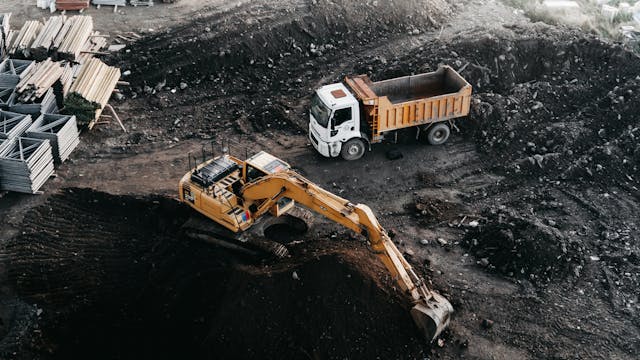
The Bowen Basin coal mines, which are in Central Queensland, are the most important part of Australia’s metallurgical coal industry. The basin is home to some of the country’s biggest and most prolific coal mines. It is about 600 kilometres long and covers an area of around 60,000 square kilometres. This area is very important to both the state’s economy and the worldwide steel supply chain.
People recognise the Bowen Basin for its high-quality metallurgical (or coking) coal, which is an important part in making steel. The region also mines thermal coal, but the hard coking coal is what makes these operations important around the world. Japan, South Korea, India, and China are some of the most important places where coal is shipped from Queensland. These countries all need coal shipments from Queensland to be steady and dependable.
There are both open-cut and underground mining activities in the area, run by a mix of big and small mining companies from throughout the world. BHP Mitsubishi Alliance (BMA), Glencore, and Whitehaven Coal are some of the most important companies running big businesses that support thousands of jobs and bring in a lot of money for Queensland’s exports.
How Bowen Basin Coal Mines Keep the Industry and Infrastructure Going
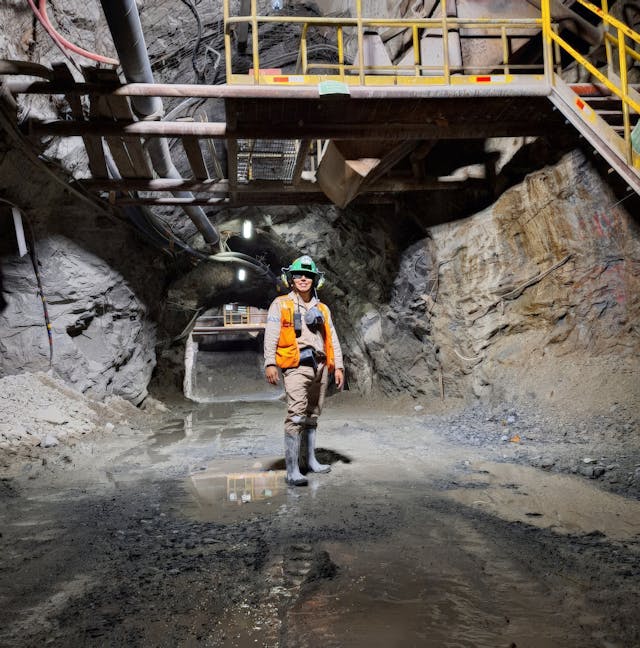
Going to or working in the bowen basin coal mines shows how big and advanced modern mining is. These mines are huge and use cutting-edge technology, automation, and big fleets of equipment to dig and process millions of tonnes of coal per year.
There is a lot of infrastructure in place to assist mining operations, including rail lines, coal handling and preparation facilities (CHPPs), and export ports. The Goonyella and Blackwater rail networks, for instance, link several of the biggest mines to the ports of Gladstone and Hay Point. This infrastructure is very important for keeping exports running smoothly and meeting global demand.
The coal business also stimulates investment in services that support mining, such as maintenance, engineering, building, housing, and training. Towns like Moranbah, Emerald, and Blackwater have built up around these mines. They have gotten jobs, bought things locally, and improved their infrastructure. The sector also spends a lot of money on working with Indigenous people, training local workers, and taking care of the environment.
Being responsible for the environment is now a big aspect of how Bowen Basin coal miners work. More and more, businesses are focussing on cleaning up land, managing water, and cutting down on pollution. Mines are using more environmentally friendly methods while still making money from coal exports as the world watches more closely.
What the future holds for the Bowen Basin and the problems it faces
The Bowen Basin is still an important source of metallurgical coal since steel is still in high demand around the world, especially for construction and infrastructure. But the sector is also having to deal with a shifting landscape. Changes in international legislation, worries about the environment, and efforts to cut down on carbon emissions are all having an effect on investment and operational choices.
Even with these problems, there is still a substantial market for high-quality Australian coking coal. Thermal coal is going down faster because of the advent of renewable energy, but metallurgical coal doesn’t have many other options for creating steel on a large scale right now. This makes the Bowen Basin somewhat resilient in a world energy market that is changing quickly.
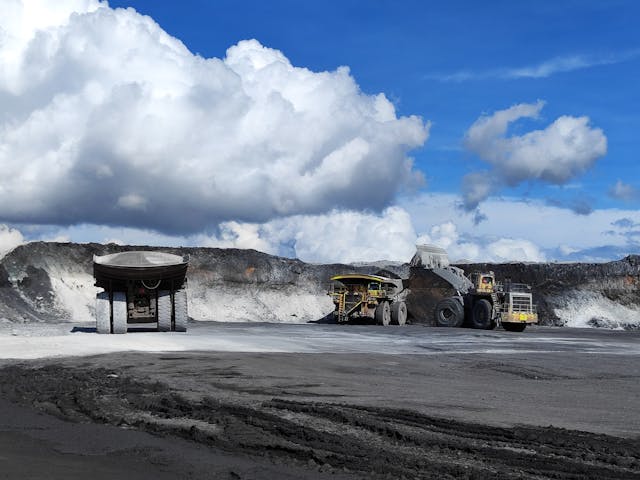
Mines are using new ideas to stay competitive. Some of the new technologies being used are remote operations centres, automated haul trucks, and predictive maintenance. Not only do these new ideas make work more productive, but they also make it safer and more environmentally friendly.
The Bowen Basin’s future will probably feature a mix of more coal mining, more energy sources, and more money spent on environmentally friendly mining methods. The region will continue to be important to Queensland’s economic future because of its strategic location, infrastructure, and high-quality resources.